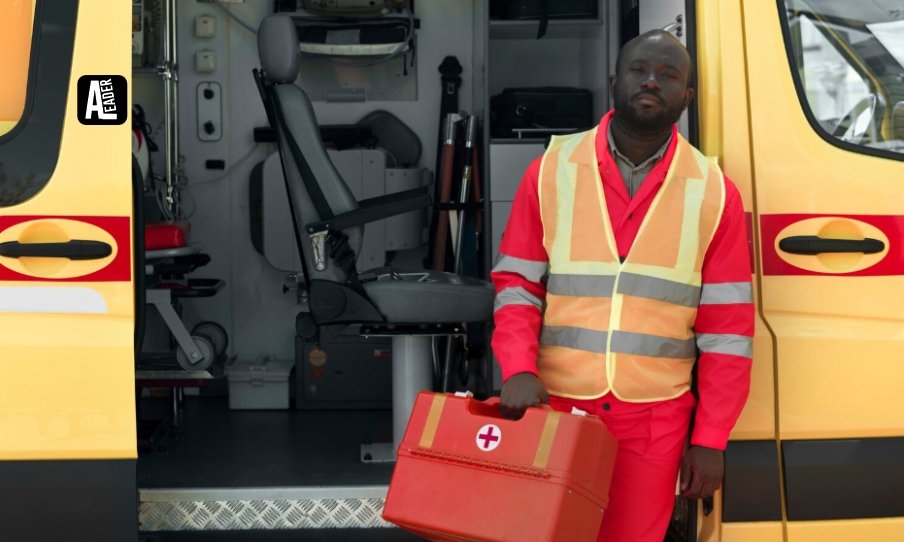
Right now, Africa faces big changes in how its population grows – at the same time, more attention is being paid to getting fair access to health services. Not long ago, most medical transport efforts went straight to emergencies – yet a quiet gap opens wide beyond those moments. Picture older adults, folks managing long-term sicknesses, or anyone living with physical limits trying to get to checkups, therapy visits, rehab spots, or kidney treatment centers. Ambulances aren’t meant for these trips – still, without solid rides, missing care becomes normal. A new kind of service steps into this space: non-emergency medical travel. It doesn’t race through traffic with sirens blaring – instead, it shows up quietly, consistently, when someone needs a dependable way forward. Behind every ride sits something larger than profit: fewer missed treatments, stronger routines, better daily survival odds. This isn’t just about vehicles moving bodies – it reshapes what staying alive can look like across villages, towns, cities. When wheels turn toward clinics without flashing lights but with full purpose, entire communities feel the difference. Getting there matters as much as the medicine once it arrives.
Navigating Regulatory Requirements and Operational Logistics
Starting a Non-Emergency Medical Transportation service in Africa works best when it fits how people live and what health problems they face every day. Across cities and villages, getting around is tough because buses and shared rides rarely help anyone who moves slowly or uses aids. Since illnesses like high blood pressure and diabetes keep growing, many now visit doctors on strict schedules. Anyone stepping into this field should look closely at where the biggest gaps exist, which towns lack reliable options, and which places like care homes or dialysis units depend heavily on outside travel support. Shaping trips around actual neighborhood demands – offering basic ride services or vans built for wheelchairs – helps build something useful, trusted, and quietly transformative.
Driving Growth through Strategic Partnerships and Technology
Getting into the NEMT field across Africa means working through different rules and handling tricky day-to-day operations. Because laws shift widely between nations, nearly every region demands proper business registration, transport authorization, vehicle insurance tailored to medical travel, and adherence to health and safety codes. Once documents are set, attention turns toward cars and people. Vehicles must be dependable, regularly serviced, and built to pass inspections – nothing less counts. Workers behind the wheel need more than driving ability – they’re expected to assist passengers gently, respond calmly during emergencies, and show up ready to support those facing tough health moments. Starting with tech makes sense when running a service – smart scheduling tools cut waste, stop gaps in coverage. A clean, by-the-book setup helps transport services earn respect among medical teams and patients alike.
Strategic partnerships and technology driving growth
A ride-for-hire medical transport company needs smart alliances plus fresh tech moves to grow across Africa. Hospitals, insurers, and community health groups form key links – these connections bring consistent bookings while spreading income paths. Using tools such as smartphone scheduling systems and route-planning software powered by artificial intelligence sharpens response times and builds trust.
Clients paying out-of-pocket and large care networks alike favor services that run smoothly and show up on time. In places like Lagos, Johannesburg, and Dubai, demand for non-emergency patient rides climbs slowly but surely. Private funding flows in alongside public programs focused on better clinics and access roads. Success often lands with teams who blend purpose with precision – not just caring about patients but running tight operations. Saving lives happens block by block when logistics meet need at the right moment. Strong local presence backed by clever coordination shapes what stands out in crowded cities. The ones tuning their model constantly tend to pull ahead without loud claims. Healthcare gets stronger not through grand promises – but reliable trips completed every single day.