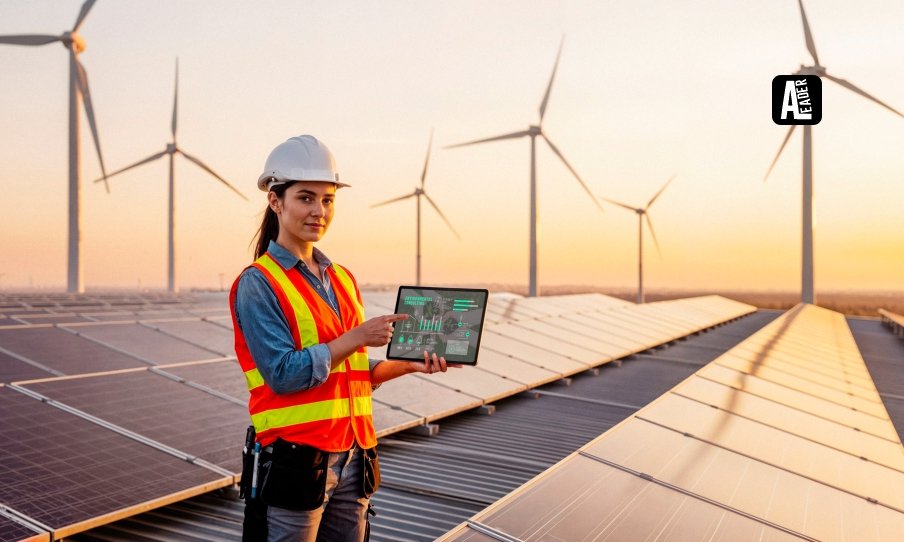
Nowhere is the push for clean power more clear than in today’s policy moves, where sunlight, breeze, water flow, alongside hydrogen made without emissions shape new grids. Not just ideals anymore – these efforts plug into real shifts across continents as energy systems evolve under pressure. From boardrooms to capital cities, attention lands on alternatives that do not rely on fossil fuels. Change unfolds quietly in cables, turbines, rooftops, redefining what powers daily life. Progress shows up less in speeches, more in steel, silicon, and smart design spread across landscapes.
From Europe to Asia, nations push faster into clean power projects instead of relying on oil and coal. Behind this shift sit government rules that favor green options, better tech, slower costs, alongside stronger public concern for the planet. With climate targets guiding international efforts, most fresh electricity networks built ahead will likely run on wind, solar, or similar sources.
World Moves Faster on Clean Power
Fresh growth in renewables has come from cheaper tech plus smarter designs. Panels on roofs, towers with spinning blades, along with boxes that hold power, cost less now. Rich nations see shifts, poor ones do too – clean juice flows wider these days.
Pushing bold climate goals, governments now back renewables with stronger policies. Thanks to tax breaks or support payments, clean energy projects go up faster these days. Instead of waiting, nations move ahead – shutting down coal stations in favor of greener options.
The future of renewable energy projects worldwide is strongly linked to these policy frameworks. International agreements and climate commitments have created a coordinated push toward sustainable power generation. As more nations commit to net-zero emissions goals, renewable energy will play a dominant role in shaping the global electricity mix.
Technological Innovation Driving Renewable Growth
Technological innovation has become one of the most powerful forces supporting renewable energy expansion. Modern solar modules are significantly more efficient than earlier versions, while wind turbines now generate higher output even at lower wind speeds. These improvements have enhanced the viability of renewable power across different geographic regions.
Energy storage technologies are also transforming how renewable energy is integrated into national grids. Battery systems enable power generated during peak sunlight or wind conditions to be stored and distributed later when demand rises. This development helps address the traditional challenge of intermittent renewable supply.
Digital technologies are further optimizing the performance of renewable energy projects. Artificial intelligence, data analytics, and smart grid systems allow energy producers to forecast demand, monitor equipment health, and manage energy distribution more efficiently. These innovations contribute to the future of renewable energy projects worldwide by making clean energy systems more reliable and scalable.
Emerging solutions such as floating solar farms, offshore wind installations, and green hydrogen production are expanding the possibilities of renewable development. These technologies allow countries to utilize natural resources that were previously underexploited, opening new pathways for sustainable energy generation.
Economic and Investment Opportunities in the Renewable Sector
Renewable energy is no longer viewed solely as an environmental initiative; it has become a major economic driver. Investment in renewable energy projects has increased significantly over the past decade, attracting capital from governments, private investors, and international development institutions.
Large-scale renewable installations create employment opportunities in engineering, manufacturing, construction, and maintenance. Many regions are witnessing the rise of green jobs that support local economies while contributing to global climate goals. As countries diversify their energy sources, renewable industries are emerging as important engines of economic growth.
The future of renewable energy projects worldwide also depends on financial innovation. Green bonds, climate funds, and sustainable investment portfolios are helping mobilize large amounts of capital for renewable development. Investors increasingly view renewable infrastructure as a stable, long-term asset class capable of delivering consistent returns.
Corporate participation is another significant trend. Many multinational companies have pledged to power their operations entirely through renewable sources. To achieve these commitments, businesses are directly funding or partnering in renewable projects, accelerating their deployment across global markets.
Challenges and the Path Forward
Despite the strong momentum, renewable energy expansion faces several challenges that must be addressed to sustain long-term growth. Infrastructure limitations, grid integration complexities, and regulatory barriers can slow the development process in certain regions.
Energy storage capacity must continue to expand to support the increasing share of renewable electricity. Power grids designed for centralized fossil-fuel plants must be upgraded to accommodate decentralized renewable generation systems. These infrastructure changes require careful planning and large-scale investments.
Another challenge involves ensuring equitable access to clean energy technologies. Developing nations often face financial and technical constraints that limit their ability to implement renewable solutions at the same pace as advanced economies. International collaboration, technology transfer, and funding support will be essential to ensure that the benefits of clean energy are shared globally.
The future of renewable energy projects worldwide will depend on coordinated efforts among governments, industries, and research institutions. By addressing these challenges through policy support, technological innovation, and strategic investment, the renewable sector can continue its rapid expansion.
A Sustainable Energy Future
The global transition toward renewable power marks a historic transformation in the way energy systems operate. Renewable energy projects are no longer niche initiatives but fundamental components of national development strategies and climate action plans.
As technology improves and investment flows increase, renewable energy will become even more accessible and efficient. The future of renewable energy projects worldwide promises cleaner air, reduced carbon emissions, and more resilient energy systems capable of supporting growing populations and economies.
Ultimately, the success of this transition will depend on collective commitment and continuous innovation. Nations that embrace renewable energy development today are not only protecting the environment but also positioning themselves for leadership in the emerging global green economy.