Nearly 2,200 Migrants Arrive in Canary Islands in Two Days
Overview
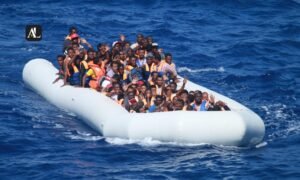
Nearly 2,200 migrants have arrived by boat in Spain’s Canary Islands over two days, Spain’s maritime rescue service said on Sunday, 15 November. The archipelago is a main entry point for migrants into Spain, and the Atlantic crossing from West Africa is among the world’s deadliest routes.
Key Highlights
- Migrants arriving in the Canary Islands numbered nearly 2,200 over two days.
- Rescuers assisted 1,324 people aboard 14 dinghies, mostly on El Hierro.
- More than 13,000 of Spain’s 28,000-plus sea arrivals this year reached the Canaries, per the Interior Ministry.
- The route is among the deadliest.
What Happened?
The Maritime Rescue Service said it assisted 1,324 migrants on 14 dinghies, most of whom reached El Hierro. The two-day total was close to 2,200. The number was close to the daily record for the route, when 1,461 people were rescued on 7 November 2020.
Why Is It Important?
The Canary Islands are one of the main entry points for migrants into Spain, mostly from West Africa. People attempt the Atlantic crossing in poorly built boats.
Impact and Implications
The Interior Ministry says over 28,000 people arrived in Spain by sea from January to the end of October, with more than 13,000 reaching the Canaries. Sudden surges can strain reception services on small islands such as El Hierro, though the report does not describe local capacity. The crossing is dangerous: the islands are roughly 105 kilometres from Africa’s closest point, but many migrants take longer journeys to avoid security forces, and trips can last days or weeks. Most boats leave from Mauritania.
What Happens Next?
The report does not say whether more arrivals are expected or how authorities will respond. Updated figures from the rescue service and the Interior Ministry are the next data to watch.