Angola’s $4 Billion Gas Plant: A Milestone for Energy Security
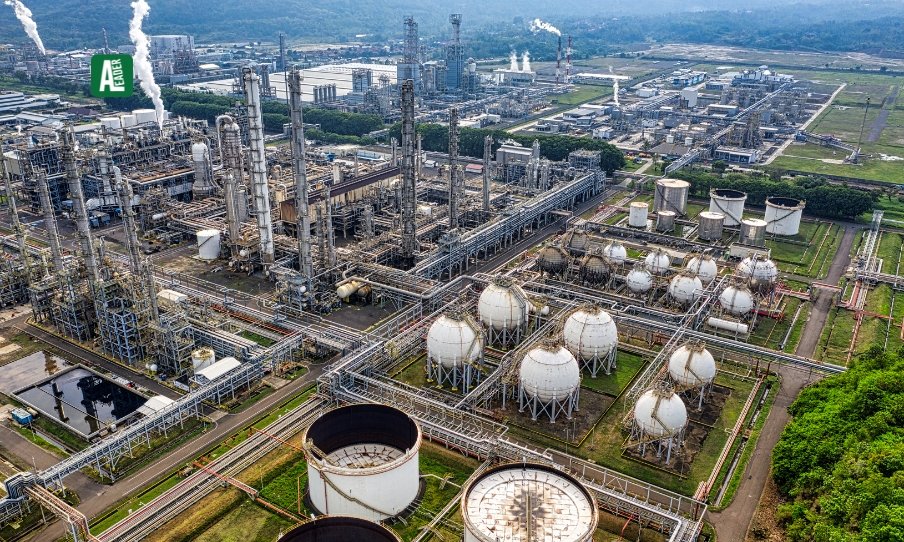
João Lourenço, President of Angola, opened a $4 billion gas-processing plant in Soyo on 27 November 2025. This is much more than just a new factory. It is a landmark in Angola’s transition to wean itself off oil and to establish a separate natural gas industry.
Novo Consórcio de Gás (NCG), a consortium of companies like Azule Energy, Sonangol E&P, Chevron and TotalEnergies is executing the project. The plant is anticipated to process about 400 million cubic feet of gas per day, which will be taken from Angola’s first purely natural gas (non-oil-associated) fields.
This is important as, until now, gas in Angola was only the gas that came from oil extraction. Thanks to the new plant, the country is able to exploit dedicated gas reserves offshore, process them locally and then use the product as it pleases.
What this change enables:
Domestic energy supply: Locally generated electricity and energy-demanding industries will be the beneficiaries of the processed gas. Energy Ministers have announced a variety of uses for gas including electricity generation, petrochemical production, ammonia and urea manufacturing among other chemicals.
- Export potential: The plant accommodates the liquefied natural gas (LNG) export program that would expand and thereby increase Angola’s position in global gas markets.
- Economic diversification: By cutting down on oil consumption, Angola plans to enlarge its industrial base and to create a more stable, future-oriented energy economy.
The gas facility was completed well ahead of the deadline. Officials have hinted that this is only the beginning. There are more offshore and onshore gas deposits to be developed.
What this means for the future: Angola has the potential to be one of the leading natural gas hubs in the African continent. Such a move could attract more capital inflows, generate more employment opportunities, and accelerate the industrialization process as the need for cleaner energy rises globally and the departure from oil gets stronger. The change to gas and a detailed energy network may be a big factor not only in the alteration of Angola’s economy but also its position of geopolitical power for a country that has been mostly identified with oil.