
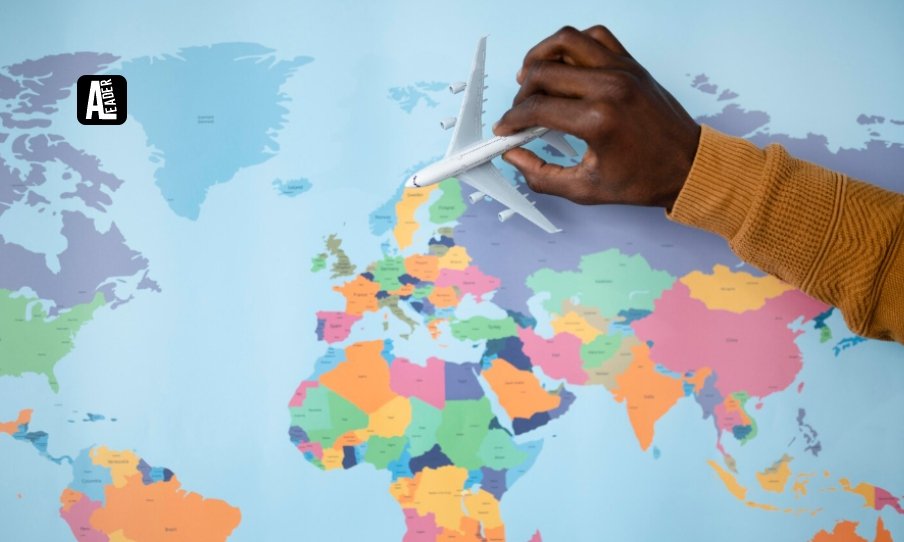
Over ages past, paths carved by African traders tied distant peoples together through shared commerce and customs. Before today’s cargo ships crisscrossed oceans or planes filled the skies, people moved on foot and by beast along desert tracks, riverbanks, waterways – carrying more than wares: ideas flowed too. Across vast dunes, camel trains carried salt, gold, cloth – one way westward, another north into lands touching the Mediterranean Sea. Meanwhile, near eastern shores, boats danced with monsoon winds linking ports where Swahili met Arabic, Persian, even Chinese tongues – all stitched into one living web of barter and belief.
Right now, Africa faces fresh choices. Thanks to wider roads, stronger links between countries, because of changes in how people buy and sell online, the way goods move across the continent draws attention worldwide. When industries change, while demand rises in places once overlooked, location matters more – especially when combined with rising productivity on African soil shaping how products flow around the planet tomorrow.
African Trade Routes Through History
Long before clocks ticked in Europe, caravans hauled gold and salt through sunbaked dunes. These exchanges built empires where markets thrived under open skies. Across the Sahara, camel trains linked inland hubs like Timbuktu to Mediterranean harbors. Goods flowed northward, slipping into bazaars from Cairo to Baghdad. Along the eastern edge of the continent, monsoon winds guided ships between island ports. Swahili traders met sailors from distant shores – Gujarat, Hormuz, even Canton. Barter shaped coastlines, turning towns like Kilwa into crossroads of culture and coin.
Not just moving products, these routes let beliefs, inventions, ideas, and customs flow between distant places. Take Timbuktu or Zanzibar – busy hubs where business met learning under desert suns. With wider trading came stronger markets, power shifting quietly across regions. Growth followed the paths traders walked, reshaping lives without noise.
Despite disruptions caused by colonial restructuring and shifting global trade dynamics, African trade routes continued to evolve. In the modern era, they are being reshaped by new infrastructure projects, policy reforms, and economic partnerships designed to strengthen connectivity both within the continent and with international markets.
Infrastructure and Regional Integration Driving Change
One of the key factors shaping the future of African trade routes in global commerce is infrastructure development. Many African governments and international partners are investing heavily in roads, railways, ports, and logistics networks to improve connectivity across regions. These projects aim to reduce transportation costs, shorten delivery times, and facilitate smoother cross-border trade.
Major ports along the Atlantic and Indian Ocean coasts are expanding their capacity to handle growing cargo volumes. Inland transport corridors are being modernized to link landlocked countries with coastal trade hubs. Improved logistics networks make it easier for goods to move efficiently from producers to global markets.
Regional cooperation is also playing a crucial role. Initiatives such as continental trade agreements and cross-border economic partnerships are helping remove barriers that once slowed trade between neighboring countries. By simplifying customs procedures and harmonizing regulations, these agreements allow businesses to operate more smoothly across multiple markets.
Such developments are strengthening African trade routes and positioning them as critical connectors in international commerce. As regional integration deepens, the continent’s internal trade networks will become more efficient and competitive.
Technology and Digital Trade Transformation
Technology is another major factor shaping the future of African trade routes in global commerce. Digital platforms are transforming the way businesses buy, sell, and transport goods across borders. From electronic customs documentation to real-time cargo tracking, digital tools are reducing inefficiencies that historically slowed trade processes.
E-commerce growth across Africa is also driving demand for improved logistics networks. Small businesses and entrepreneurs are increasingly using digital marketplaces to reach customers across the continent and beyond. This shift requires faster delivery systems, reliable transport corridors, and integrated supply chain management.
Financial technology solutions are simplifying cross-border payments, making it easier for businesses to transact internationally. Digital payment systems reduce dependence on traditional banking structures and enable faster trade settlements. These advancements are helping businesses of all sizes participate in global markets.
As technology continues to advance, African trade routes will likely become smarter, more efficient, and more transparent. Digital integration can reduce delays, enhance security, and create new opportunities for regional and international trade partnerships.
Strategic Importance in Global Commerce
Africa’s geographic position makes it uniquely placed within global trade networks. Located between Europe, Asia, and the Americas, the continent sits along several major shipping corridors that connect key markets. This strategic location gives African ports and logistics hubs the potential to become major gateways for international commerce.
As global supply chains diversify, businesses are increasingly looking for alternative production hubs and emerging consumer markets. Africa’s growing population, expanding urban centers, and rising middle class make it an attractive destination for investment and trade partnerships.
The future of African trade routes in global commerce will also depend on how effectively countries address challenges such as infrastructure gaps, regulatory complexity, and security concerns along transport corridors. Strengthening governance, investing in logistics capacity, and promoting regional cooperation will be essential for unlocking the full potential of these trade networks.
Sustainability considerations are also becoming more important. As global trade shifts toward greener practices, investments in energy-efficient transportation, modern ports, and environmentally responsible infrastructure will shape the next phase of development.
A New Chapter for African Trade Networks
The evolution of African trade routes reflects the broader transformation taking place across the continent. What once began as caravan paths across deserts and coastal trading posts is now evolving into a complex network of highways, rail systems, digital platforms, and international shipping hubs.
The future of African trade routes in global commerce holds significant promise. As infrastructure improves, regional integration strengthens, and digital innovation expands, Africa’s trade networks could play a far greater role in shaping global economic flows.
For businesses, policymakers, and investors, the continent offers both opportunity and responsibility. Supporting sustainable development, strengthening partnerships, and building resilient trade systems will ensure that Africa’s historic role as a connector of markets continues to grow in the modern global economy.