Green Business in Africa: How Sustainability Is Driving Growth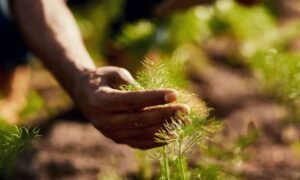
Africa has seen a steady rise in sustainable business practices over the last decade. According to the International Finance Corporation, Africa’s renewable energy market alone could grow to $60 billion by 2030. This reflects more than just economic potential, it represents a shift in how businesses think about growth. Green business in Africa is no longer a niche trend. It is becoming a core part of economic strategy. Companies are realizing that sustainability can fuel innovation, reduce costs, and attract customers who value responsibility.
Why Sustainability Matters for Africa’s Economy
The continent faces pressing challenges, climate change, limited access to clean energy, and resource depletion. These challenges have a direct impact on business operations. For example, unreliable power supply costs African economies billions each year. Sustainable solutions can change this dynamic. Solar and wind projects in Kenya, South Africa, and Morocco are already providing more stable, affordable energy.
Beyond energy, sustainability creates job opportunities. Green projects often demand skilled labor, training programs, and supply chain development. This not only builds economic resilience but also improves communities.
How Green Businesses Are Reshaping African Industries
Green business in Africa spans agriculture, energy, manufacturing, and even fashion. In agriculture, companies are adopting practices that use less water, reduce chemical fertilizers, and improve soil health. This boosts yields and ensures long-term productivity. In manufacturing, some companies are using recycled materials and cleaner production techniques to reduce waste and pollution. A notable example is a fashion brand in Ghana producing clothing from recycled fabric while creating employment for local artisans. Energy companies are shifting to renewable sources, reducing dependence on costly imports and decreasing carbon footprints.
Sustainability is also driving innovation. African startups are developing low-cost solar kits, waste-to-energy solutions, and mobile platforms to track environmental impact. These innovations show how green business in Africa is not just about protecting the planet; it is about creating new economic opportunities.
Challenges for Green Business in Africa
The growth of sustainable business in Africa faces hurdles. Access to financing remains a major issue. Green projects often require large upfront investments, which can discourage small and medium enterprises. Policy and regulatory frameworks in many countries still need improvement. Businesses need stable policies and incentives to scale green solutions effectively. Infrastructure is another challenge. Many regions lack the logistical and technological systems to support widespread adoption of sustainable practices.
Yet these challenges also present opportunities. Governments, private investors, and international organizations are beginning to work together to build financing options, supportive policies, and infrastructure upgrades. For example, blended finance models, which combine public and private funds, are helping small-scale renewable energy projects reach communities across Africa.
The Future of Sustainable Growth in Africa
What this really means is that green business in Africa has the potential to reshape economies and communities in powerful ways. Sustainability is becoming a driver of competitiveness and innovation rather than an optional approach. As consumers demand more responsible products and governments create enabling environments, green business will increasingly define the future of Africa’s economy.
African businesses that embrace sustainability today are building resilience for tomorrow. They are positioning themselves to meet global demand for greener products and services while creating value locally. The lesson is clear; sustainability and growth can go hand in hand. Green business in Africa is no longer just a vision. It is becoming a practical pathway to economic transformation.