Natural Resources of Africa: Key Minerals, Oil and More
The Democratic Republic of the Congo mined about 73% of the world’s cobalt in 2025. That single figure shows why the natural resources of Africa matter far beyond the continent’s borders.
Africa’s wealth falls into several groups: battery and steel minerals such as cobalt, manganese and platinum; oil and natural gas; gold and diamonds; and the farmland, forests and water that feed millions of people. This list of natural resources found in Africa explains each group, names the countries behind it, and shows where the money and the risks sit, using data from 2024 to mid-2026.
African Mineral Resources the World Depends On
Many of the natural resources of Africa that power modern technology are minerals, and USGS data show how concentrated they are. Estimates for 2025 put South Africa at about 71% of world platinum output, 38% of manganese and 45% of chromite. Gabon adds roughly 25% of manganese, Guinea mines about 34% of bauxite (the ore behind aluminium), and Zimbabwe about 10% of lithium.
Congo’s grip on cobalt is stronger still. It also holds about half of the world’s cobalt reserves, and the metal goes into battery cathodes and jet-engine alloys. China, however, leads the world in cobalt refining, so most of that ore leaves Africa before it becomes battery material. Platinum follows a similar pattern. It goes into catalytic converters, and South Africa also holds most of the known reserves.
Reserve shares shift by year and source. One USGS-based tally put Africa’s share of platinum group metal reserves at 79.3% in 2025, while other analyses give higher figures. Check the latest USGS Mineral Commodity Summaries before quoting an exact percentage.
Oil and Natural Gas: The Energy Side of the List
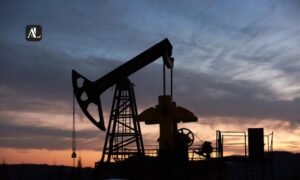
Oil and gas form the other pillar of the natural resources of Africa. Libya holds the continent’s largest proven oil reserves at about 48.4 billion barrels. Nigeria follows with about 37 billion barrels, mostly in the Niger Delta, and Algeria has roughly 12.2 billion. Depending on the source, Africa holds between about 5% and nearly 7.5% of the world’s proven oil.
Gas tells a different story. Nigeria has about 186.6 trillion cubic feet of proven natural gas, with Algeria close behind at 159.1 trillion cubic feet. Reserves and output are different things, though. Rystad Energy data for 2025 show Algeria producing about 3,000 thousand barrels of oil equivalent per day, ahead of Nigeria at 2,500 and Libya at about 1,600. Frontier discoveries off Senegal and Mozambique are the next growth areas.
Gold, Diamonds and Phosphate
Ghana is Africa’s top gold producer. Provisional Ghana Chamber of Mines data show a record of roughly 170 tonnes in 2025, up about 21% from 140.6 tonnes in 2024. Reforms in how artisanal and small-scale gold is handled helped, with those exports alone reaching about 66.7 tonnes by August 2025. South Africa, Burkina Faso, Mali and Sudan also rank among the continent’s largest producers, though published rankings differ by source and year.
Diamonds are the other headline stones. Africa accounted for an estimated 52.4% of global diamond output in 2025, with Botswana among the leading producers. In Morocco, vast phosphate reserves supply a key fertiliser ingredient, which ties these African mineral resources to food supply as much as to electronics or jewellery.
Iron Ore: How Simandou Is Changing the African Mining Industry
The newest big addition to the list is Guinea’s Simandou. After more than two decades of delays, the first commercial cargo of about 200,000 tonnes left Guinea in early December 2025 and reached a Chinese port on January 17, 2026. At full capacity, Simandou is expected to supply about 5% of global iron ore.
Ramp-up has been fast but uneven. Simandou shipped a record 2.2 million tonnes in May 2026, up from about 600,000 tonnes a month in the first quarter. Rio Tinto also paused production at its SimFer mine on February 14 after a contractor died. One analyst has called the 30-month target for full production highly challenging. Still, a single project can shift a continent’s weight in a commodity, which is why Simandou matters far beyond Guinea.
What the Natural Resources of Africa Include Beyond Mining
A full list cannot stop at the mine gate. Fertile farmland, tropical forests, river systems that feed hydropower dams and productive fisheries are renewable resources that underpin food and energy. Mining can strain them. A June 2026 analysis in The Conversation Africa examines how mines can trigger deforestation well beyond their own boundaries, and notes that sub-Saharan Africa hosts about 30% of the world’s mineral reserves.
Why Resource Wealth Rarely Stays in Africa
A McKinsey white paper drawing on USGS data says Africa holds about 28% of the world’s critical mineral reserves but contributes only 12% of global production. Refining often happens elsewhere, so much of the value is added abroad. The DRC has moved to control cobalt exports through quotas, an attempt to gain more say over price and supply. For the natural resources of Africa, that gap between digging and earning is now the central policy question. It will decide how much the African mining industry gains from rising demand for batteries and clean energy equipment.
Conclusion
The natural resources of Africa cover far more than a handful of mines. Cobalt, platinum and manganese anchor the continent’s place in clean-energy supply chains. Oil and gas still fund public spending in countries such as Nigeria, Algeria and Angola, while gold and diamonds keep producers like Ghana and Botswana in global trade. Simandou is a reminder that the African mining industry’s map keeps changing. What has not changed is the main question: how much of the value from African mineral resources stays at home. The figures here reflect USGS and industry data for 2024 to mid-2026 and will move, so confirm the latest numbers before citing them.