Exploring the Unusual Nutritional Reality of the African Mosquito Burger 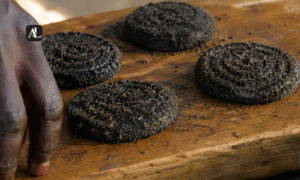
Thick burgers on a grill might come to mind first when imagining summer cookouts. Yet different places eat what their surroundings provide, shaped by weather patterns and natural cycles. Along the edges of Lake Victoria in East Africa, something unusual happens when rains arrive. Instead of cattle or crops, people turn to skies filled with clouds of small winged creatures – so many they look like fog moving above the lake. These clusters appear overwhelming at first glance, almost eerie – but locals see them as nourishment, gathering them carefully once they land. What seems strange elsewhere becomes ordinary here. Out there where food gets scarce, folks found a way using nature’s odd gifts – enter something called the mosquito burger. Sounds wild at first hearing, still it makes sense when swarms show up like clockwork every season. Instead of turning away, hands move fast with greased pans, slashing through hovering masses, trapping loads in one swift pass. This isn’t new; years shaped it into normal, born out of need rather than choice. Now? It slips across screens worldwide, stirring talk, nudging thoughts on what counts as real food.
Unpacking the Actual Ingredients and Preparation
To understand the mechanics of this dish, it is essential to clarify what actually goes into the mixture. Despite its popular colloquial name, the authentic mosquito burger is primarily composed of harmless midges and flies belonging to the Chaoborus edulis species rather than the blood-sucking disease vectors that humans dread. Because these insects lack stingers and do not transmit dangerous pathogens to humans, they are perfectly safe to harvest in massive quantities without the risk of spreading illness. A single traditional patty can require upwards of five hundred thousand individual midges, compressed together into a dense, dark paste that feels remarkably heavy. The damp insects are mashed thoroughly in large bowls until they completely lose their individual physical forms and take on the consistency of a smooth, cohesive dough. This natural binding ability means that no additional flour, binding agents, or eggs are necessary to hold the food together during the cooking process. Once the mixture achieves the desired texture, it is shaped by hand into a flat round disk that closely mirrors a standard meat patty. Cooking a mosquito burger involves frying it on an ungreased or lightly oiled hot stone or griddle until the surface turns deep charcoal black and develops a distinctly crispy exterior. Those who have witnessed the preparation report that the aroma filling the air is unexpectedly savory, bearing an uncanny resemblance to fresh seafood or roasted nuts.
Analyzing the Exceptional Nutritional Composition
From a strictly scientific and dietary standpoint, the reliance on insect protein is far from a desperate measure, as it actually provides an extraordinary level of daily sustenance. Enthusiasts and entomologists often point out that a well-prepared mosquito burger contains significantly more protein per gram than conventional livestock like beef, pork, or chicken. Some nutritional estimates suggest that these compressed insect patties offer up to seven times the protein value of a standard hamburger, alongside a rich supply of essential iron, calcium, and amino acids. For communities surrounding the African Great Lakes, where access to expensive cattle farming can be limited by economic factors, the mosquito burger serves as a vital dietary supplement that combats malnutrition during critical times of the year. The sheer density of micronutrients packed into a single serving makes it an incredibly efficient food source that requires zero land clearance or water consumption to produce. Consuming this local food item allows individuals to absorb highly bioavailable nutrients without the massive carbon footprint associated with industrial livestock agriculture. As global conversations increasingly focus on sustainable food systems, scientists are looking closely at how these traditional practices might offer solutions for feeding a rapidly growing global population. The humble mosquito burger demonstrates that nature often provides abundant, low-impact nutrition directly to our doorsteps if we are willing to look past our cultural biases.
The Future of Alternative Proteins Worldwide
As we look toward the future, the global food landscape is shifting rapidly due to environmental pressures and changing consumer attitudes toward meat consumption. While the thought of eating a mosquito burger might still elicit a strong visceral reaction or hesitation from the average consumer in Europe or North America, the underlying concept aligns perfectly with the rising trend of entomophagy. Incorporating insects into the daily diet is already a normal practice for over two billion people worldwide, and the high-protein mosquito burger is just one vivid example of this global reality. Renowned survival experts and culinary explorers have praised these traditional cakes for their rich, umami flavor profile, which some early explorers even compared to the complex taste of premium caviar. As food technology advances, we may eventually see the core elements of this insect patty adapted into commercial protein powders or sustainable meat alternatives on mainstream supermarket shelves. Overcoming the initial psychological barrier is undoubtedly the largest hurdle for Western audiences, but history shows that public tastes can evolve rapidly when sustainability becomes paramount. Whether viewed as an exotic curiosity or a visionary marvel of ecological efficiency, this regional dish challenges us to rethink our relationship with nature and broaden our definition of nourishment. Embracing these innovative protein sources could ultimately play a crucial role in safeguarding global food security.