The Political Journey and Economic Vision of President Cyril Ramaphosa in South Africa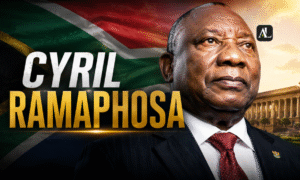
Out of all the twists in South Africa’s journey since apartheid ended, one stands out – Cyril Ramaphosa taking charge. Not many leaders carry weight in boardrooms and union halls alike; he does. When unrest stirred across cities and markets wobbled, he took the helm. Consensus isn’t just a word around him – it grew through long talks back when change felt impossible. Those 1990s talks? He helped shape them, hand on the pen that wrote the country’s new rules. Calm, careful choices follow him like footprints. Now, old gaps left by decades mix with fresh money troubles – and decisions fall on his desk every day.
The Shift from Union Advocate to National Leader
Starting out, Cyril Ramaphosa fought hard for miners through the National Union of Mineworkers. Because of those years, he connected deeply with ordinary people and learned how labor struggles meet economic forces. Later shifting into business, he built vast enterprises across Africa, mastering ways of thinking about world trade others rarely saw. Being known both as a voice for working folks and a leader among corporate figures makes him stand apart – though not everyone agrees. Even so, balancing ties to big investors with loyalty to the ANC has kept his role strong over time.
Navigating Economic Reform and Global Diplomatic Relations
Under the guidance of Cyril Ramaphosa, South Africa has sought to position itself as a leading voice for the Global South, particularly within forums like the G20 and the BRICS alliance. Domestically, the focus has remained sharply on the Economic Reconstruction and Recovery Plan, which aims to spark growth through infrastructure investment and energy sector diversification. The transition toward renewable energy has been a particularly delicate balancing act for Cyril Ramaphosa, as he must weigh environmental commitments against the immediate needs of a coal-dependent workforce. His diplomatic efforts have often centered on securing “just transition” funding from wealthier nations, arguing that the shift to a green economy must not leave vulnerable communities behind. This international maneuvering highlights his belief that South Africa’s domestic prosperity is inextricably linked to its standing in the global community.
Addressing Social Justice and the Rule of Law
A significant portion of the mandate held by Cyril Ramaphosa involves restoring public trust in state institutions that were previously compromised by systemic corruption. His support for judicial inquiries and the strengthening of law enforcement agencies reflects a commitment to the principle of accountability. Beyond legal reforms, Cyril Ramaphosa has emphasized the need for comprehensive land reform and wealth redistribution to address the lingering shadows of the past. These issues remain deeply emotive for the South African electorate, requiring a leader who can manage high expectations while adhering to the constraints of the law. By championing social compacts between government, business, and labor, he seeks to create a unified front against poverty and unemployment, though the pace of these changes often remains a subject of intense public debate.
Future Perspectives on Governance and National Unity
Looking ahead, the legacy of Cyril Ramaphosa will likely be measured by his success in stabilizing the national power grid and fostering an environment conducive to job creation. The challenges are formidable, ranging from high youth unemployment to the logistical hurdles of modernizing state-owned enterprises. However, the consistent messaging from Cyril Ramaphosa suggests a belief in the resilience of the democratic framework he helped build decades ago. His tenure serves as a test of whether a centrist, reform-minded approach can satisfy a population eager for rapid transformation. As the political landscape continues to shift, the emphasis on professionalizing the civil service and leveraging technology for better service delivery remains a top priority. The path forward requires not just policy precision but also the emotional intelligence to keep a diverse and often divided nation moving toward a common goal.
Final Reflections on a Transformative Era
The tenure of Cyril Ramaphosa represents a sophisticated attempt to blend traditional liberation politics with the demands of a twenty-first-century global economy. While the road has been marked by significant obstacles, his presence has provided a sense of continuity and a commitment to constitutional democracy that resonates both at home and abroad. Critics and supporters alike recognize that Cyril Ramaphosa is operating in a context where there are no easy answers, only difficult trade-offs. As the administration continues to implement its long-term strategies, the focus will inevitably remain on the tangible improvements in the daily lives of citizens. Whether through the lens of economic policy or social reform, the influence of Cyril Ramaphosa continues to shape the trajectory of one of Africa’s most influential nations. Through a steady hand and a focus on long-term stability, the current leadership seeks to ensure that the promise of a “New Dawn” eventually reaches every corner of the country. Every decision made by Cyril Ramaphosa in the coming years will be scrutinized for its impact on the delicate balance of South African society, making this a critical chapter in the story of the republic. By maintaining a focus on transparency and renewal, the presidency of Cyril Ramaphosa aims to leave behind a more resilient and equitable foundation for future generations to build upon.