West African Tribes: A Deep Dive into Culture, Heritage, and Identity
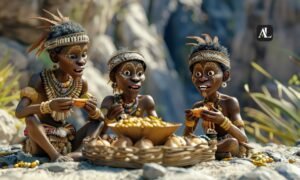
Out here in West Africa, life carries echoes of ancient times through countless voices. Stories pass hand to hand across generations instead of vanishing into silence. Identity grows from roots dug deep into family lines, shared tales, and ways long held close by villages. Each group breathes differently – customs shape how they speak, create, and gather under common skies. History lives inside dances, cloth patterns, and morning greetings repeated without pause. Their presence isn’t frozen – it moves forward while holding tight to what came before.
Cultural Diversity Shapes Social Patterns
West African tribal life shows striking variety. Not one group speaks quite like another, wears the same cloth, or follows identical customs. Take Nigeria’s Yoruba – distinct in speech and ceremony. Move over to Ghana, and the Ashanti stand out with deep-rooted royal lines. Across borders, the Fulani live differently depending on where they settle. What binds them isn’t uniformity – it’s rich difference shaped by land and history. Their ways of organizing families, marking events, dressing up, never repeat exactly. One village’s rhythm won’t match the next. Still, each builds identity through what it values most.
Order sticks around because people live within set roles. Chiefs, elders, or kings run things in many groups, viewed as keepers of old ways. Decisions come not from rules but habits handed along over time. Ties through blood shape daily existence, where large family units hold everything together.
Tied together through more than just promises, marriage links entire families into one shared life. From start to finish, celebrations unfold with rhythm, movement, because tradition guides each step. Because roots run deep, west african tribes hold on tightly despite changes sweeping around them.
Traditions, Beliefs, and Spiritual Practices
Spirituality is deeply embedded in the lives of west african tribes. Traditional belief systems often revolve around a supreme creator, alongside a host of deities, spirits, and ancestors. These spiritual practices influence daily life, guiding decisions, moral values, and community interactions.
Ancestral worship is a common thread across many tribes. Ancestors are believed to watch over the living, offering protection and guidance. Rituals and ceremonies are performed to honor them, especially during important life events such as births, marriages, and funerals.
Festivals are another vital aspect of tribal life. They serve as a way to celebrate history, harvests, and religious beliefs. During these events, communities come together in colorful displays of dance, music, and storytelling. Masks, costumes, and body art often play a central role, each carrying symbolic meaning.
Even as modern religions like Christianity and Islam have spread across the region, many people continue to blend these beliefs with traditional practices, creating a unique spiritual identity that defines west african tribes today.
Art, Music, and Oral Storytelling
One cannot discuss west african tribes without highlighting their extraordinary contributions to art and music. Creativity is woven into the fabric of everyday life, serving both aesthetic and functional purposes. Sculptures, textiles, beadwork, and pottery are not only decorative but also carry cultural and spiritual significance.
Music is perhaps the most powerful form of expression. Drumming, in particular, holds a special place in tribal culture. Different rhythms convey messages, mark ceremonies, and even communicate across distances. Instruments like the djembe and talking drum are iconic symbols of West African heritage.
Oral storytelling is another cornerstone of cultural preservation. Griots, or traditional storytellers, play a crucial role in passing down history, genealogy, and moral lessons. Through songs and narratives, they keep the legacy of west african tribes alive, ensuring that younger generations remain connected to their roots.
These artistic traditions have also influenced global culture, especially in music genres like jazz, blues, and hip-hop, which trace their origins back to African rhythms and storytelling techniques.
Modern Influence and Preservation of Heritage
In today’s globalized world, west african tribes face both challenges and opportunities. Urbanization, migration, and technological advancements have transformed traditional ways of life. Younger generations are increasingly exposed to global cultures, which sometimes leads to a decline in traditional practices.
However, there is also a growing movement to preserve and celebrate tribal heritage. Cultural festivals, museums, and educational initiatives are helping to keep traditions alive. Governments and organizations are recognizing the importance of safeguarding indigenous knowledge and practices.
Technology has also become a tool for preservation. Social media platforms and digital archives are being used to document languages, rituals, and art forms. This ensures that even as lifestyles evolve, the essence of west african tribes is not lost.
Moreover, there is a renewed sense of pride among many communities. People are embracing their identities, पहन traditional attire, and participating in cultural events with enthusiasm. This revival reflects a deeper understanding of the value of heritage in shaping the future.
The story of west african tribes is one of resilience, creativity, and enduring cultural richness. Despite the pressures of modernization, these communities continue to uphold traditions that define their identity. Their contributions to art, music, spirituality, and social structure have not only shaped the region but have also left a lasting impact on the world.
Understanding west african tribes is not just about studying the past; it is about appreciating a living culture that continues to evolve while staying rooted in its origins. As the world becomes more interconnected, preserving and respecting these traditions becomes more important than ever, ensuring that future generations can continue to learn from and celebrate this incredible heritage.